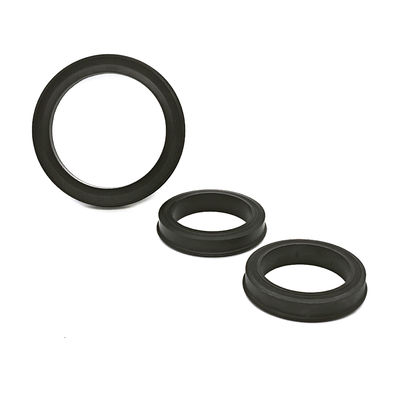
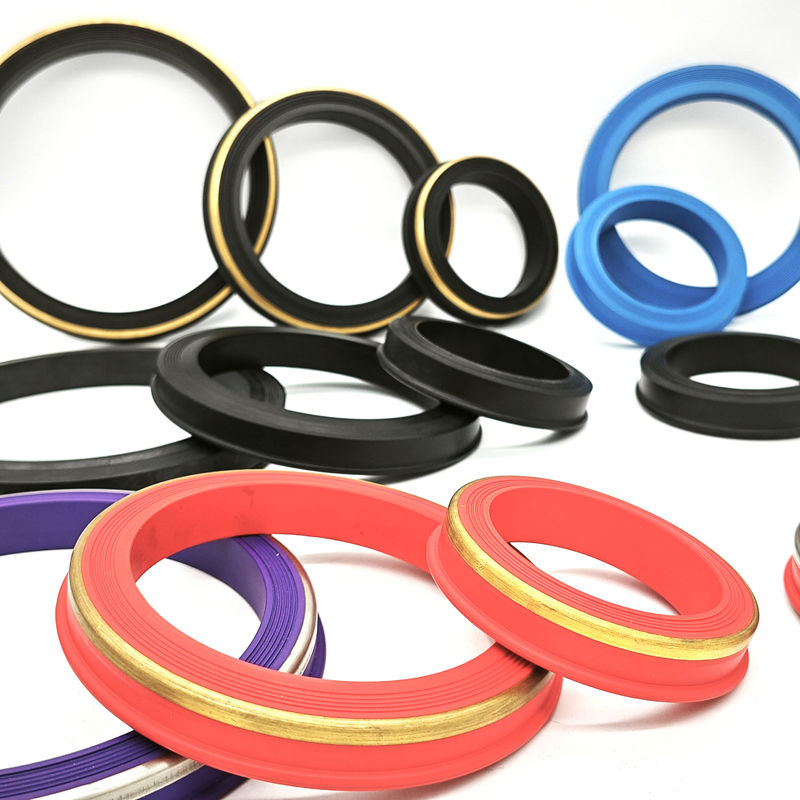
Standard Figure Hammer Union Lip Seals for Well Service Components
Overview: High-Performance Sealing Solutions for Oilfield Integrity
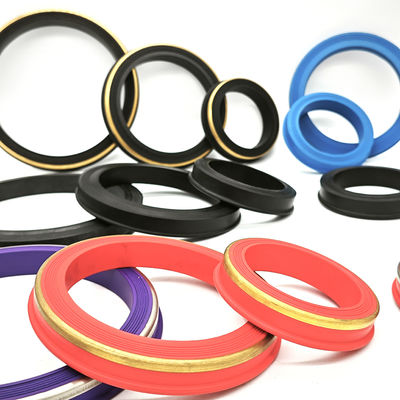
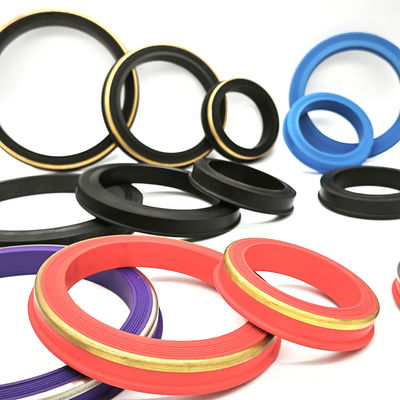
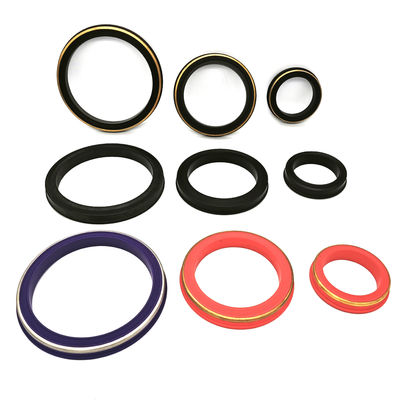
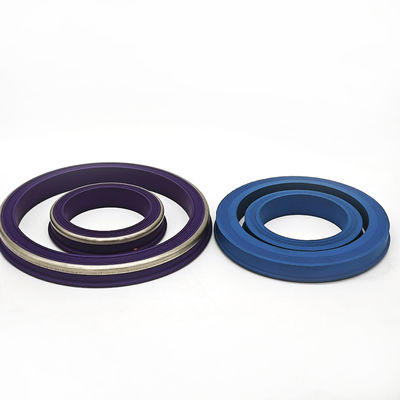
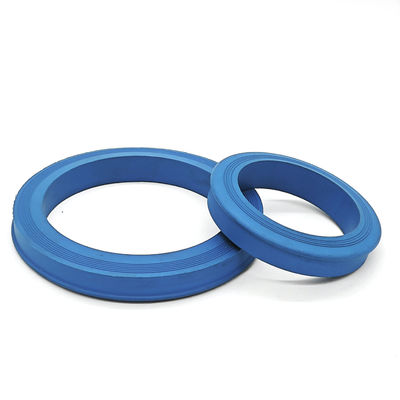
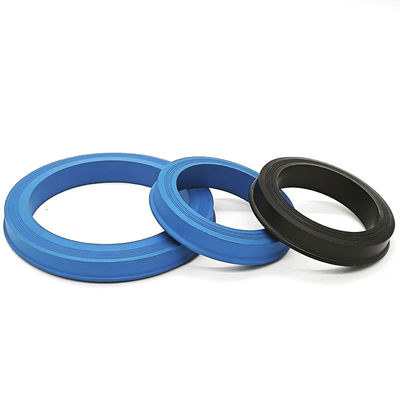
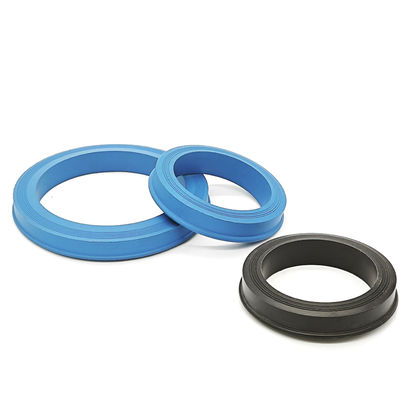
Our Standard Figure Hammer Union Lip Seals are precision-engineered to provide critical fluid containment in high-pressure flowline applications. Designed for the rigorous demands of well service components, these seals ensure a leak-proof connection between male and female subs during hydraulic fracturing, cementing, acidizing, and well-testing operations.
As a dedicated manufacturer of oilfield elastomers, we understand that seal failure leads to costly downtime and safety risks. Our lip seals are molded from premium compounds, featuring an energized design that maintains a tight seal even during pressure fluctuations and high-vibration environments.
Technical Specifications & Material Selection Guide
The performance of a hammer union seal is largely determined by its material composition. We offer four primary elastomers to match your specific well conditions:
| NBR |
Nitrile / Buna-N |
-30°C to +100°C |
Water, Oil, General Hydraulics |
Excellent abrasion and tear resistance; ideal for standard oilfield service. |
| HNBR |
Hydrogenated Nitrile |
-35°C to +150°C |
Crude Oil, Sour Gas (H2S), Mud |
High mechanical strength; superior resistance to heat and chemical degradation. |
| FKM |
Fluorocarbon |
-20°C to +200°C |
High Temp, Chemicals, Acidizing |
Outstanding chemical resistance; stable in extreme thermal environments. |
| PTFE |
(Polytetrafluoroethylene) |
-50°C to +250°C |
Aggressive Chemicals, High Pressure |
Zero swell; low friction; often used with Stainless Steel/Brass inserts. |
Design Features: Engineered for Extreme Pressures
Our Hammer Union Seals are compatible with Figure 602, 1002, 1502, 2002, and 2202 configurations.
1. Lip-Energized Geometry: The unique cross-sectional design allows the seal to "energize" or expand under pressure, creating a tighter bond as the internal PSI increases.
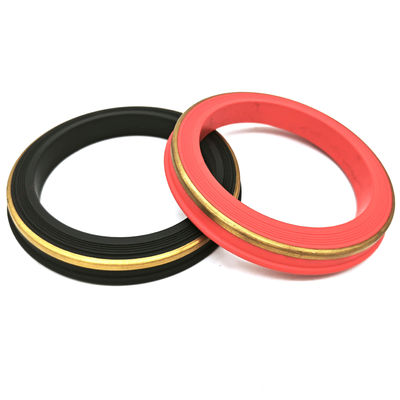
2. Anti-Extrusion Reinforcement: For high-pressure figures (e.g., Fig 1502/2002), we offer seals with integrated Stainless Steel or Brass Backup Rings. This prevents the rubber from migrating into the gap between the union subs.
3. Dimensional Accuracy: Manufactured to strict ISO and industry tolerances, ensuring 100% interchangeability with standard flowline components.
4. Chemical Stability: Formulated to resist the aggressive additives found in modern fracking fluids, including friction reducers and corrosion inhibitors.
Application Environments
Our seals are the "gold standard" for critical well service components in:
1. Flowline Connections: Secure sealing between pipe joints and manifolds.
2. Pressure Pumping: Handling high-velocity proppants during hydraulic fracturing.
3. Sour Gas Service: Specific HNBR/FKM compounds designed to resist H2S (Hydrogen Sulfide) embrittlement.
4. Nitrogen & CO2 Injection: Low-temperature resilience for gas-related services.
FAQ: Solving Your Core Sealing Challenges
1. Why do my seals fail during high-pressure fracking operations?
Most premature failures are caused by extrusion or abrasive wear. In high-pressure applications (10k-15k PSI), standard rubber can be forced into the clearance gaps of the union. We recommend using our Fig 1502 seals with a Stainless Steel insert to provide the necessary structural support to prevent extrusion.
2. How can I identify the correct seal size and figure?
Hammer union seals are sized by the nominal pipe diameter (e.g., 2", 3", 4") and the Figure number (e.g., Fig 1502). The figure number determines the pressure rating and the specific geometry of the seal. If you are unsure, our technical team can identify the correct seal based on a sample or the sub-component dimensions.
3. Are your seals resistant to Rapid Gas Decompression (RGD)?
Yes. We offer specialized RGD-resistant HNBR compounds. For gas service, standard elastomers can trap high-pressure gas; when pressure is quickly released, the gas expands and "explosively" tears the seal. Our RGD-grade materials are designed to vent gas without structural damage.
4. What is the benefit of HNBR over standard NBR (Buna-N)?
While NBR is cost-effective, HNBR provides a much wider temperature range and significantly better resistance to H2S and oil-based muds. If your well service involves "Sour Gas" or temperatures exceeding 100°C, HNBR will last significantly longer, reducing the frequency of seal replacements.
5. How should hammer union seals be stored to ensure longevity?
Rubber is sensitive to UV light, ozone, and extreme temperature swings. We recommend storing seals in a cool, dark environment in their original UV-resistant packaging. Under proper conditions, NBR/HNBR seals have a shelf life of 5–10 years.
6. Can your seals handle acidizing fluids?
For acidizing (HCl/HF acids), we recommend our FKM (Fluorocarbon) or PTFE-lined seals. These materials offer the chemical inertness required to withstand highly corrosive fluids that would otherwise degrade NBR or HNBR.


 Your message must be between 20-3,000 characters!